Study Space Setup: How Environment Impacts Teen Focus and Learning

by

The Pursuit of Perfection: Why Teens Chase Results and How to Release Control

Perfectionism may look like high achievement, but underneath it often feels heavy and exhausting. Teens chasing flawless results can end up in burnout, anxiety, or shutdown — because their worth feels tied to performance. The truth is, rest and play fuel creativity, focus, and resilience. With simple practices like mindful walks, messy art, and calming breathwork, teens can release control, strengthen their nervous system, and discover that joy and success can coexist.

Seeing Their Design: Understanding Your Teen’s Wiring

Teens don’t need fixing — they need to see their God‑given design. Low self‑esteem often hides behind avoidance, self‑criticism, or withdrawal, but the deeper truth is that they were created intentionally, with unique wiring and purpose. When teens embrace who they are, comparison loses its grip and confidence becomes calling. Awareness of their design helps them rest in their worth and live out their true identity.

Strengthening Family Bonds: How Awareness Builds Connection Through Grace and Rhythm

Family connection doesn’t happen by accident — it’s built through awareness. When parents, teens, and even couples begin to understand each other’s wiring, stress responses, and communication styles, compassion replaces frustration. Awareness opens the door to empathy, trust, and grace, turning everyday tension into deeper connection.

Teen Stress: Why It Might Not Look Like What We Thought — And How Scrolling & Avoidance Are the New Signals

Teen stress doesn’t always look loud — it often hides in endless scrolling, procrastination, or quiet withdrawal. What seems like laziness is usually overload. Recognizing these modern signals shifts the response from correction to compassion. With tools like journaling, grounding movement, digital boundaries, and safe connection moments, families can help teens restore balance and peace.

Study Environment Within: How Teens’ Inner World Impacts Learning

A teen’s study success isn’t just about desks and lighting — it’s about their inner world. Emotional overload, mental clutter, and nervous system stress can make focus feel impossible. When teens feel calm, supported, and anchored, learning flows more easily. Simple tools like movement, breaks, affirmations, and connection moments help clear the weight inside and turn study time into growth.

Sensory Sensitivities in Teens: Recognizing Triggers and Creating Safe Spaces

Sensory sensitivities in teens aren’t drama — they’re real neurological responses to overstimulation. Loud noises, bright lights, or even clothing textures can feel overwhelming, leading to meltdowns or shutdowns. The good news: simple habits like movement, deep breathing, quiet spaces, and co‑regulation help teens feel safe and grounded. Sensitivity isn’t a flaw — it’s part of their unique design, and with support, it can become a strength.

Emotional Outbursts in Teens: What’s Underneath and How to Co-Regulate

Teen outbursts aren’t defiance — they’re signs of overwhelm. Anger often masks deeper emotions, and sensitive wiring makes regulation harder. The best support blends firm boundaries with empathy, helping teens feel safe, connected, and understood.

Social Anxiety in Teens: Why It Happens and How to Support Them

Social anxiety in teens isn’t just shyness — it’s a deep fear of judgment or rejection that can lead to withdrawal, shutdowns, or avoidance. Sensitive wiring, past experiences, or overwhelming environments often fuel the struggle. The good news: with gentle tools like grounding breathwork, finger tapping, and low‑pressure social practice, teens can build confidence and discover the unique value of their voice.

Focus & Daydreaming in Class: What’s Really Happening and How to Help

Daydreaming in class isn’t laziness — it’s often a sign of creative wiring, sensory overload, or emotional disconnection. Teens may drift even when they want to focus, leaving parents and teachers frustrated. The good news: with simple tools like subtle movement, calming breathwork, and sensory adjustments, teens can re‑engage their brains and turn distraction into direction.

Study Struggles at home: Why Teens Resist and How You Can Support Them

Study struggles at home aren’t about laziness — they’re often about mismatched learning styles, sensory overload, or emotional pressure. When the way teens are asked to study doesn’t fit how their brain naturally learns, frustration builds. By understanding their unique profile — visual, auditory, kinesthetic, or intelligence preferences — parents can create supportive environments and turn study time from a battle into a partnership.

Test Anxiety in Teens: Why It Happens and How to Support Them

Test anxiety isn’t just “nerves” — it’s a full‑body stress response that can block memory, trigger panic, and leave teens feeling defeated. Parents may see procrastination, irritability, or physical complaints, while teens describe their brain shutting down under pressure. The good news: with awareness of sensory patterns and simple tools like breathwork and bilateral movement, teens can calm their system, regain focus, and step into exams with confidence.

When Teens Disconnect. What it Means and How to Reconnect

When teens disconnect, it’s not rebellion — it’s often self‑protection. Silence, withdrawal, or irritability can be signs of overwhelm, sensory overload, or emotional vulnerability. What looks like distance is usually a quiet cry for safety and presence. Gentle tools like journaling, breathing exercises, and quiet connection help teens reset, reconnect, and feel understood.

Overthinking in Teens. Why it Happens and How to Help

Teens are pros at overthinking — stuck in mental loops that drain energy and fuel fear. Parents may see indecision, irritability, or headaches, while teens feel trapped in their own minds. The good news? Simple tools like journaling, movement, and deep breathing can help break the cycle and restore peace.

From Dirt roads to Highways: How Your Brain Builds Beliefs (and How You Can Build Better Ones)

Discover how your brain builds beliefs like highways—and how you can rewire your thinking to grow new, empowering paths.

Brain Profile Assessments Explained: The Science Behind Self-Discovery

A brain profile goes beyond just categorizing individuals into simple types. At TeenUp, it involves understanding a person’s unique mental, emotional, and physical landscape. By exploring various aspects of life, including habits and personality, it empowers individuals to make meaningful changes and embrace their authentic selves for personal growth and clarity.

Study Space Setup: How Environment Impacts Teen Focus and Learning

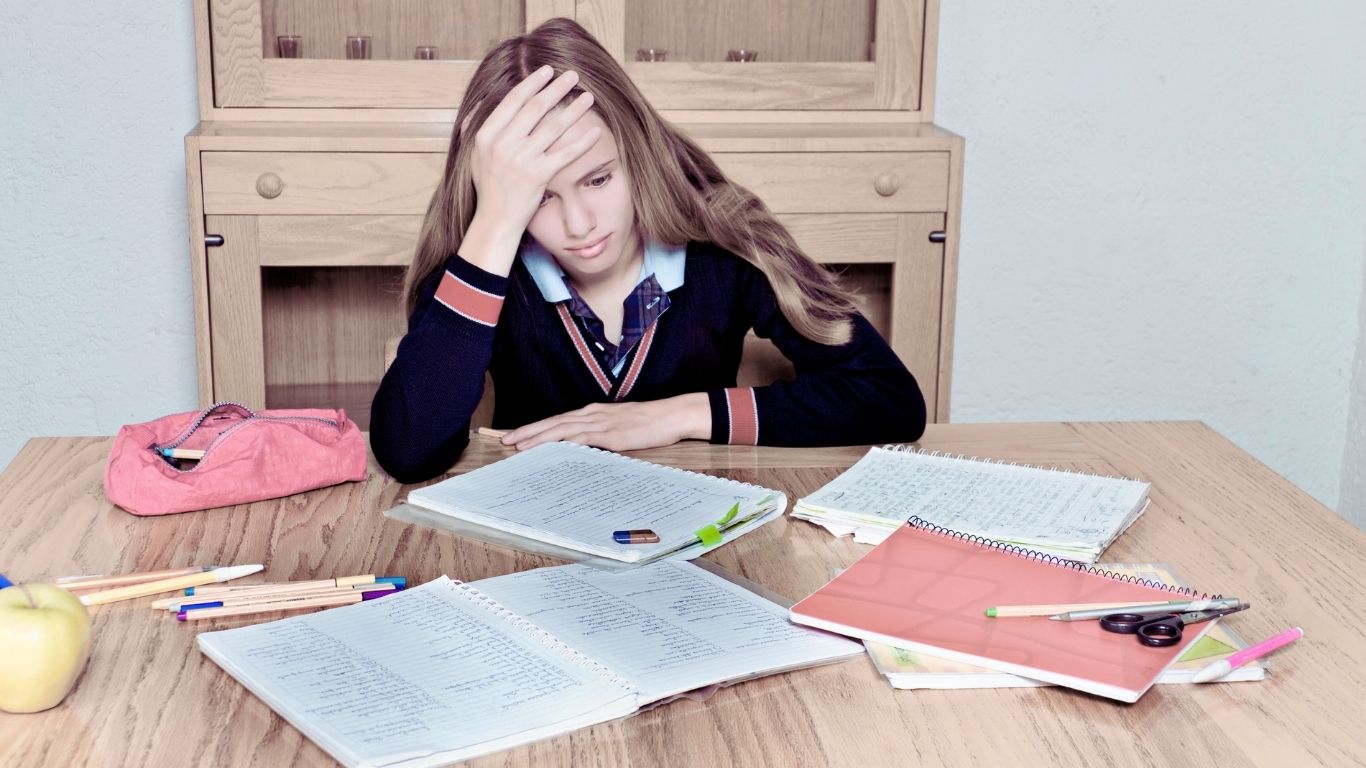
Let’s be honest: if your teen moans every time they have to study, that’s a pretty big clue something isn’t working. And no, it’s not always about the subject matter — sometimes it’s the environment. A study space can make or break their ability to focus, retain information, and feel emotionally regulated. It’s not just about having a desk and a chair; it’s about creating a space that feels good, works with their wiring, and doesn’t make studying feel like punishment.

Think of it this way: if you had to work in a noisy, cluttered room with bad lighting and an uncomfortable chair, you’d probably moan too. Teens aren’t being dramatic — they’re giving you feedback. The trick is to evaluate what works and what doesn’t, and then tweak the environment so it supports focus instead of fighting against it.

What Disrupts Study Focus

  • Sensory Overload: Bright lights, clutter, noise, or uncomfortable seating overwhelm the nervous system.

  • Lack of Structure: Teens who need visual order may struggle in messy or undefined spaces.

  • Mismatch with Learning Style: A visual learner may need charts and color, while a kinaesthetic learner may need space to move.

  • Monotone & Forced Environments: If studying feels dull, lifeless, and boring, no one will love doing it. Even though study is a necessary task, we can set up the environment with style — adding sensory richness, comfort, and personal touches that make the space enjoyable.

Why Parents Should Care

Many parents dismiss study space setup as trivial — “just sit down and do your homework.” But here’s the truth: environment is a neurological hack.

The nervous system responds to sensory cues. Just like the smell of popcorn makes you want to watch a movie, or a summer day makes you want to swim, the right study environment can anchor focus and motivation. A favorite song can instantly lift your mood — and the same principle applies to study spaces.

This isn’t just a nice idea — it’s science-backed. When we intentionally design a study space with positive associations, we anchor focus and motivation. If the environment feels good, equipped, and enjoyable, half the battle is already won. Helping your teen create this kind of environment isn’t spoiling them — it’s supporting their wiring. It’s giving their nervous system the best chance to regulate, focus, and thrive.

Tools to Create a Supportive Study Space

Supporting teens with study space setup isn’t about perfection — it’s about creating a sensory-rich, personalized environment that feels good to be in.

  • Movement & Ownership: Let teens help design their space. Ownership increases engagement and makes the space feel personal.

  • Sensory-Friendly Options: Noise-cancelling headphones, soft lighting, fidget tools, or comfortable seating.

  • Anchors for Learning Styles (Examples Only):

    • Visual learners: Color pens, charts, or a bright corkboard.

    • Nature lovers (naturalistic intelligence): Plants, flowers, or even studying outside.

    • Sensory intelligence: Comfy blankets, healthy snacks, and textures that soothe.

    • Music lovers: Gentle background music to set the tone.

These are just examples — the sky is the limit. Every teen is different, and part of the fun is experimenting to see what anchors focus and makes studying feel enjoyable.

  • Brain Profile Assessment: This tool helps parents understand their teen’s wiring — whether they thrive with visuals, nature, sensory comfort, or music — and guides them in tailoring the study space to match their unique design.

Ready to Support Your Teen in a Deeper Way?

Parenting a teen through study challenges can feel overwhelming, but you don’t have to figure it out alone.

  • Curious about your teen’s neurological profile? Take the Brain Profile Assessment to discover how your child is wired and learn tools to support their emotional regulation, connection, and focus.

Already done the assessment and want help applying it to your teen’s study space? Book a one-on-one coaching session and let’s explore practical strategies tailored to your teen’s unique design.

Inwards & Upwards

Nelia Oosthuizen

Nelia Oosthuizen

Neuro Agility Coach and Founder of Teenup Hub

Nelia supports teens and parents in understanding emotional wiring, spiritual rhythms, and how to walk in peace. With a background in counseling and a passion for creative discipleship, her work blends faith, insight, and empathy to make growth feel simple, relatable, and transformative.

0 Comments

Submit a Comment

Your email address will not be published. Required fields are marked *